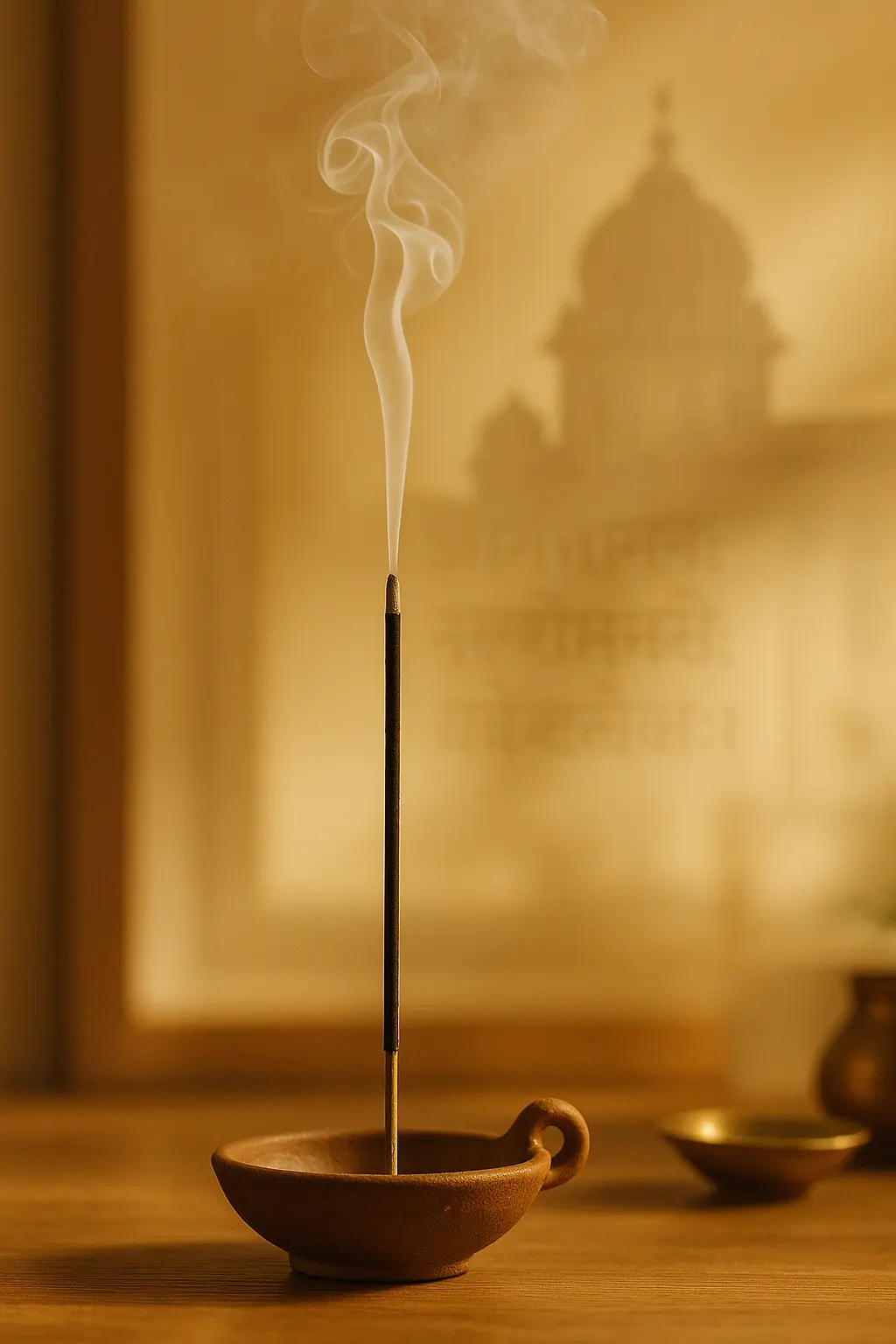
The Ancient History of Incense in India and Its Modern Revival
Introduction
From temple rituals to meditation practices, incense has always held a sacred space in Indian culture. Its smoke is seen not just as fragrance, but as a bridge between the physical and the spiritual. But while incense in India dates back thousands of years, today it is undergoing a fascinating revival β from heritage roots to modern, eco-friendly incense crafted for homes across the globe.
At Zivanta, we honor this ancient legacy while reshaping it for todayβs conscious world. Letβs explore how incense began in India, why it mattered, and how itβs finding a new life in the 21st century.
Incense in Ancient IndiaΒ
- Vedic Origins (1500β500 BCE): References to incense are found in the Rigveda and Atharvaveda, where aromatic resins and herbs were offered in yajnas (sacred fire rituals).
- Ayurvedic Uses: Incense wasnβt only spiritual β it was also medicinal. Ayurvedic practitioners used fragrant herbs like sandalwood, frankincense, and camphor for purifying air and calming the mind.
- Temples & Spirituality: Temples across India traditionally burned natural resins like sambrani (benzoin resin) to create a divine atmosphere believed to invite positivity and ward off negativity.
Did you know? The Sanskrit word for incense, βDhupaβ, is still used today for dhoop sticks and cones.
Incense Beyond WorshipΒ
While incense began as a ritual offering, it soon spread into everyday life:
- Homes used it to purify the air and bring peace.
- Royals and nobles enjoyed exotic fragrances like agarwood (oudh).
- Travelers carried it along trade routes, spreading Indiaβs incense to the Middle East and beyond.
By the time of the Silk Route, Indian incense had become one of the most prized exports in global trade.
The Decline: When Tradition Met Mass ProductionΒ
In the 20th century, incense production exploded β but not always in the right direction. To cut costs and meet mass demand, many manufacturers replaced natural ingredients with synthetic chemicals and charcoal fillers.
This shift made incense cheaper, but also:
- More harmful for health (toxic smoke)
- Less authentic in fragrance
- Detached from its cultural and artisanal roots
This is where the gap between ancient heritage and modern needs began to widen.
The Modern RevivalΒ
Todayβs world is rediscovering the power of incense β not just for rituals, but for:
- Wellness & Mindfulness: Yoga, meditation, and aromatherapy use incense as a tool for focus and relaxation.
- Eco-Conscious Homes: Demand for natural, non-toxic, and sustainable incense is rising.
- Cultural Connection: People worldwide want authentic products that tell a story.
Zivanta: Bridging Tradition with Modern LivingΒ
At Zivanta, weβre proud to be part of this revival. Hereβs how we keep the essence of incense alive β while making it relevant for today:
- Charcoal-Free: Protecting health with clean-burning incense.
- Artisan-Made: Each stick is hand-dipped by women artisans in Jharkhand, reviving rural livelihoods.
- Premium Fragrances: From timeless classics like Jasmine and Sandalwood to global favorites like Bakhoor and Oudh.
- Sustainable Process: Eco-friendly, plastic-free packaging for a modern planet-conscious audience.
Why This MattersΒ
By choosing authentic, charcoal-free incense, youβre not just buying a fragrance. Youβre:
- Continuing an ancient Indian tradition
- Supporting women-led livelihoods in rural communities
- Bringing wellness and sustainability into your daily rituals
Key TakeawaysΒ
- Incense in India began during the Vedic period and was tied to spirituality and Ayurveda.
- Mass production diluted quality and health standards in the 20th century.
- Modern consumers are seeking eco-friendly, authentic incense that balances heritage with health.
- Zivanta is proudly reviving incense by blending ancient wisdom with modern sustainability.
Frequently Asked QuestionsΒ
Q1. How old is incense in India?
Incense has been used in India for over 3,000 years, dating back to the Vedic period.
Q2. What is the difference between traditional and modern incense?
Traditional incense used natural resins, woods, and herbs. Many modern mass-produced incense use charcoal and chemicals, but brands like Zivanta bring back authentic, eco-friendly practices.
Q3. Why is incense important in Indian culture?
It symbolizes purity, positivity, and spiritual connection. Itβs used in worship, meditation, and daily rituals.
ConclusionΒ
Incense is more than fragrance β itβs Indiaβs gift to the world, carrying centuries of wisdom, spirituality, and tradition. At Zivanta, weβre bringing this legacy back to life through incense that is natural, sustainable, and made with love by women artisans.
Experience the revival.